Substance Abuse Rehabilitation: A Full Overview to Recuperation
Substance Abuse is among the most important health and social challenges dealt with by individuals and neighborhoods worldwide. It often starts as a coping system for emotional distress, injury, or stress, however can swiftly evolve into a reliance that impacts every area of life-- mental wellness, connections, employment, and general wellness. The consequences of addiction are severe and considerable, frequently causing physical ailments, monetary troubles, and social seclusion. This is why rehab programs exist: to help individuals restore their lives and recover control over their futures.
Understanding Substance Abuse and the Need for Rehabilitation
Recovery centers are developed to treat the root causes of addiction rather than simply the symptoms. A thorough rehab program involves detoxing, counseling, behavior modification, and education on relapse avoidance. People learn to acknowledge triggers and create healthier methods to handle tension and feelings. In lots of instances, rehab is not nearly giving up medications or alcohol-- it has to do with finding a new sense of purpose and equilibrium. These centers provide an encouraging setting where recovery is not only feasible yet lasting.
The path to recovery calls for nerve and dedication, however with the appropriate treatment, also one of the most severe cases of addiction can be successfully taken care of. Rehab programs offer a structured method that integrates medical knowledge, emotional support, and peer motivation. Each program is customized to the individual's needs, guaranteeing a tailored experience that promotes enduring soberness. Whether someone deals with alcohol, prescription drug, or illicit medications, getting in a recovery program is usually the very first and most important step toward long-term healing.
Inpatient vs. Outpatient Rehabilitation: Which Option Is Right for You?
When determining to seek therapy for Substance Abuse, one of the most vital options involves selecting between inpatient and outpatient rehab programs. Both strategies have their benefits, and the appropriate choice mainly depends upon the individual's particular needs, addiction intensity, and personal circumstances. Inpatient rehab, also referred to as household rehab, requires clients to live at the therapy center full time. This allows for continuous medical guidance, structured routines, and a distraction-free atmosphere suitable for intensive recuperation. On the other hand, outpatient rehabilitation supplies greater versatility, permitting people to attend therapy sessions throughout the day while still living in your home and maintaining expert or personal obligations.
Inpatient rehab is ideal matched for individuals who call for medical detoxification, struggle with lasting addiction, or have previously relapsed. The immersive setting makes certain that people are secured from outside lures and stress factors that might set off a regression. Daily therapy sessions, clinical tracking, and group activities aid individuals remain focused on recuperation. On the other hand, outpatient rehab is usually suitable for those with moderate to moderate dependency or strong support systems in your home. This sort of program enables people to continue going to or functioning school while getting constant therapy and assistance.
Ultimately, the selection between inpatient and outpatient rehabilitation relies on numerous elements such as addiction type, clinical needs, and lifestyle. Some people even transition from inpatient to outpatient care as they advance in their recovery journey - addiction treatment. Both programs share the very same ultimate goal-- aiding clients accomplish and preserve soberness-- but the degree of structure and support varies. An extensive evaluation by addiction specialists can aid figure out one of the most effective therapy strategy, making certain that each private obtains the treatment and attention they require to grow beyond dependency

The Price of Substance Abuse Rehabilitation and Monetary Factors To Consider
Among the most common problems for family members and people seeking addiction treatment is the cost of rehab. While rates differ extensively depending upon the center, program type, and length of remain, it is very important to check out rehab as a financial investment in one's health and wellness and future rather than just an expense. The cost of untreated addiction-- consisting of lost efficiency, legal concerns, clinical difficulties, and damaged connections-- frequently far surpasses the expense of specialist treatment. Luckily, numerous rehab facilities currently provide adaptable payment alternatives, insurance policy protection, and economic help to make therapy much more easily accessible.
Inpatient rehab programs often tend to be much more expensive than outpatient programs due to the fact that they include lodging, meals, and 24-hour medical guidance. High-end rehabilitation centers with high-end centers, exclusive spaces, and all natural therapies can set you back considerably extra, while community-based or charitable rehabilitations usually give budget-friendly or perhaps totally free treatment choices. Outpatient rehab is usually much less expensive given that it does not need over night remains, however the overall cost can still vary relying on the duration and strength of the program. Some insurance coverage plans cover partial or complete prices for rehabilitation, specifically if the therapy is deemed clinically essential.
Financial barriers must never ever prevent a person from seeking aid. Numerous treatment centers recognize the financial stress that dependency creates and want to collaborate with people to develop convenient payment plans. Some use gliding range fees based on revenue, while others get federal government funding to sustain those in requirement. When evaluating expenses, it's also essential to consider the long-lasting benefits: improved health, recovered connections, and an opportunity at a more steady and productive life. Recovery is invaluable, and the expense of rehabilitation is typically the trick to opening a future without the chains of addiction.
Attributes and Facilities of a High Quality Rehabilitation Facility
The environment in which recuperation happens plays an important duty in the success of a rehab program. A high quality rehabilitation facility is more than simply a clinical facility-- it is a healing shelter developed to support the mind, spirit, and body. The very best facilities combine evidence-based medical treatments with comfy living arrangements and healing settings. People should feel secure, sustained, and motivated as they browse their healing trip. Modern rehab facilities often feature semi-private or personal rooms, serene exterior rooms, nutritious dishes, and leisure activities that advertise health and leisure.
Beyond comfort, the vital functions of a credible rehab center include expert personnel, individualized therapy strategies, and a large range of therapeutic options (Inpatient rehab). Multidisciplinary groups of physicians, specialists, counselors, and support team collaborate to create an individualized program for each client. Evidence-based treatments like Cognitive Behavior modification (CBT), Dialectical Behavior Modification (DBT), and inspirational talking to are integrated with holistic treatments such as yoga, meditation, art treatment, and physical fitness programs. This incorporated technique addresses not simply the dependency itself, however also the mental and emotional variables adding to it
Additionally, the ideal rehabilitation centers stress aftercare and long-lasting support. When an individual leaves the get redirected here center; preserving sobriety requires ongoing assistance and accountability, recuperation does not end. Numerous centers supply graduates programs, team therapy sessions, and community reintegration solutions to make certain continued development. Facilities that give a continuum of care-- from detox to outpatient support-- have a tendency to produce one of the most effective end results. The general objective is to produce an atmosphere where individuals can recover entirely, reconstruct their self-confidence, and re-enter the globe with confidence and security.
Advantages important Abuse Rehab Programs
Signing up in a chemical abuse rehabilitation program uses various advantages that extend far beyond getting rid of addiction click here for more info itself. One of one of the most significant advantages is the structured setting that rehabilitation provides. People struggling with dependency frequently stay in mayhem or uncertainty, yet rehabilitation introduces stability and routine. Every element of everyday life-- from treatment sessions to dishes and remainder-- is planned with objective, aiding patients create self-control and consistency. This framework ends up being a foundation for building a sober way of life and decreasing the threat of relapse after treatment.
Another major advantage of rehab is the specialist assistance readily available around the clock. Dependency is not just a physical reliance; it's also a emotional and emotional battle. Within a rehab center, clients have accessibility to medical professionals that can securely take care of withdrawal signs, as well as specialists that specialize in dealing with the emotional aspects of healing. This level find out here of treatment guarantees that people are never alone in their battles. Group treatment sessions additionally provide a sense of area, permitting individuals to get in touch with others that understand their obstacles and can share their experiences.
Finally, Substance Abuse rehabilitation equips clients with lifelong devices for preserving soberness. With education and learning, regression, and treatment prevention planning, people discover to determine triggers, take care of stress, and make much healthier life choices. Rehab assists them restore broken partnerships and find passions and goals that were shed during dependency. It's a transformative process that brings back self-confidence, psychological balance, and hope. The ultimate benefit of rehabilitation is that it does not just save lives-- it restores them, helping individuals rediscover their worth and develop a brighter, addiction-free future.
The Course Onward: Structure a Life Beyond Addiction
When the rehabilitation program does-- it's an ongoing process that calls for self-awareness, support, and devotion, recuperation does not end. After finishing therapy, people have to discover to rehabilitate into their every day lives while maintaining the lessons they've obtained in rehabilitation. This includes developing healthy coping techniques, staying clear of atmospheres linked with Substance use, and bordering themselves with positive influences. Many individuals proceed with outpatient treatment or join assistance groups like Narcotics Anonymous (NA) or Alcoholics Anonymous (AA) to stay connected and responsible to the recovery neighborhood.
A solid aftercare plan is essential for long-lasting success. Rehabilitation facilities that supply follow-up therapy, peer support, and relapse prevention programs offer people the very best opportunity of preserving soberness. Building a new way of living might involve pursuing education and learning, volunteering, or discovering brand-new leisure activities that strengthen positive actions (rehab near Chester NJ). Households also play an important role in the recovery process; when liked ones participate in family therapy and recuperation education, they become an energetic component of the support system, reducing the threat of relapse
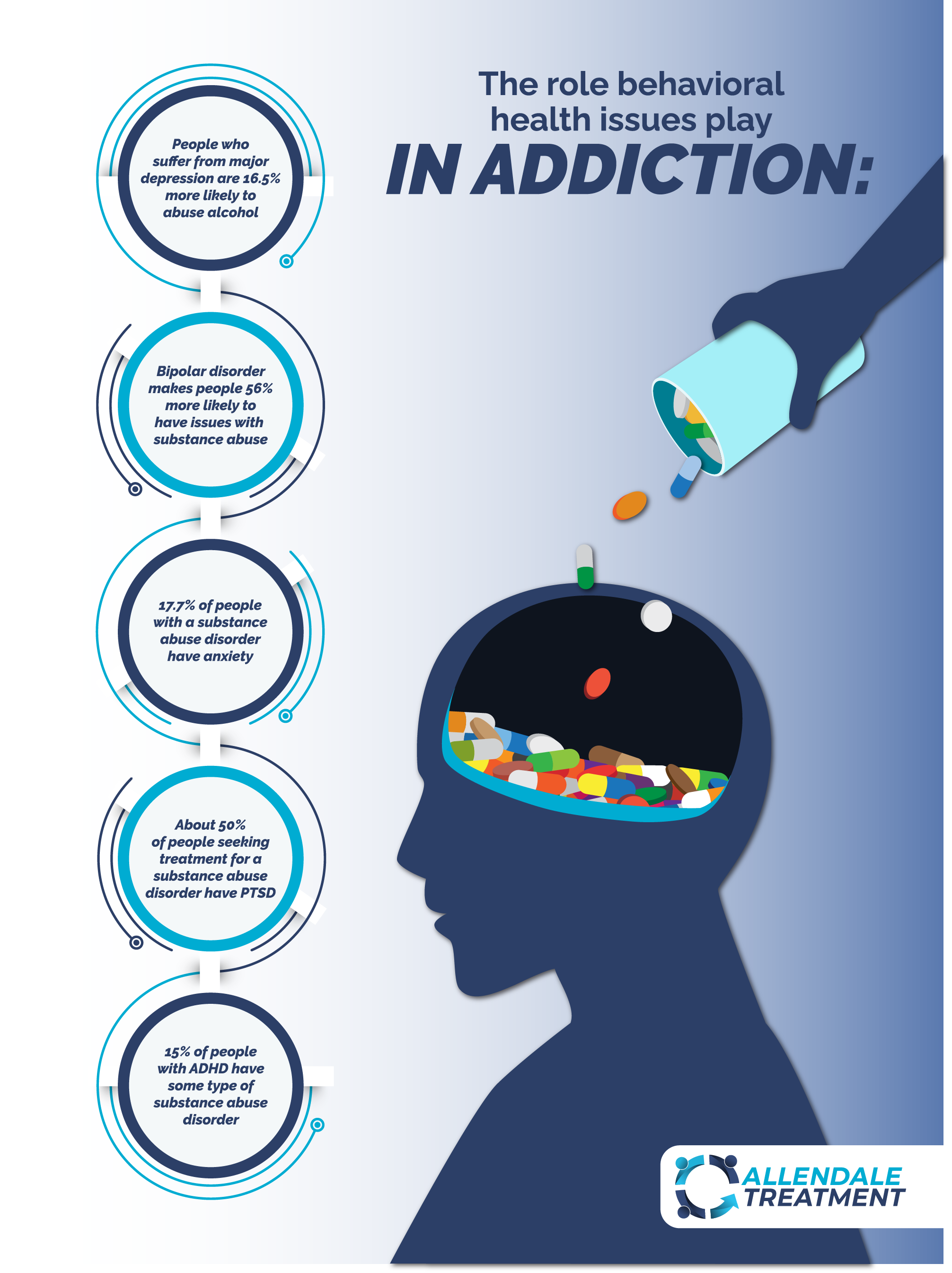
Inpatient rehabilitation, also known as household rehabilitation, needs people to live at the therapy facility full-time. Inpatient rehabilitation programs have a tendency to be extra pricey than outpatient programs since they include accommodation, dishes, and 24-hour medical supervision. Deluxe rehab facilities with high-end facilities, private areas, and all natural therapies can set you back dramatically extra, while community-based or non-profit rehabilitations usually supply economical or also complimentary treatment alternatives. Healing does not end when the rehab program does-- it's an ongoing procedure that requires devotion, support, and self-awareness. Rehab centers that provide follow-up therapy, peer support, and regression prevention programs provide people the finest opportunity of preserving soberness.